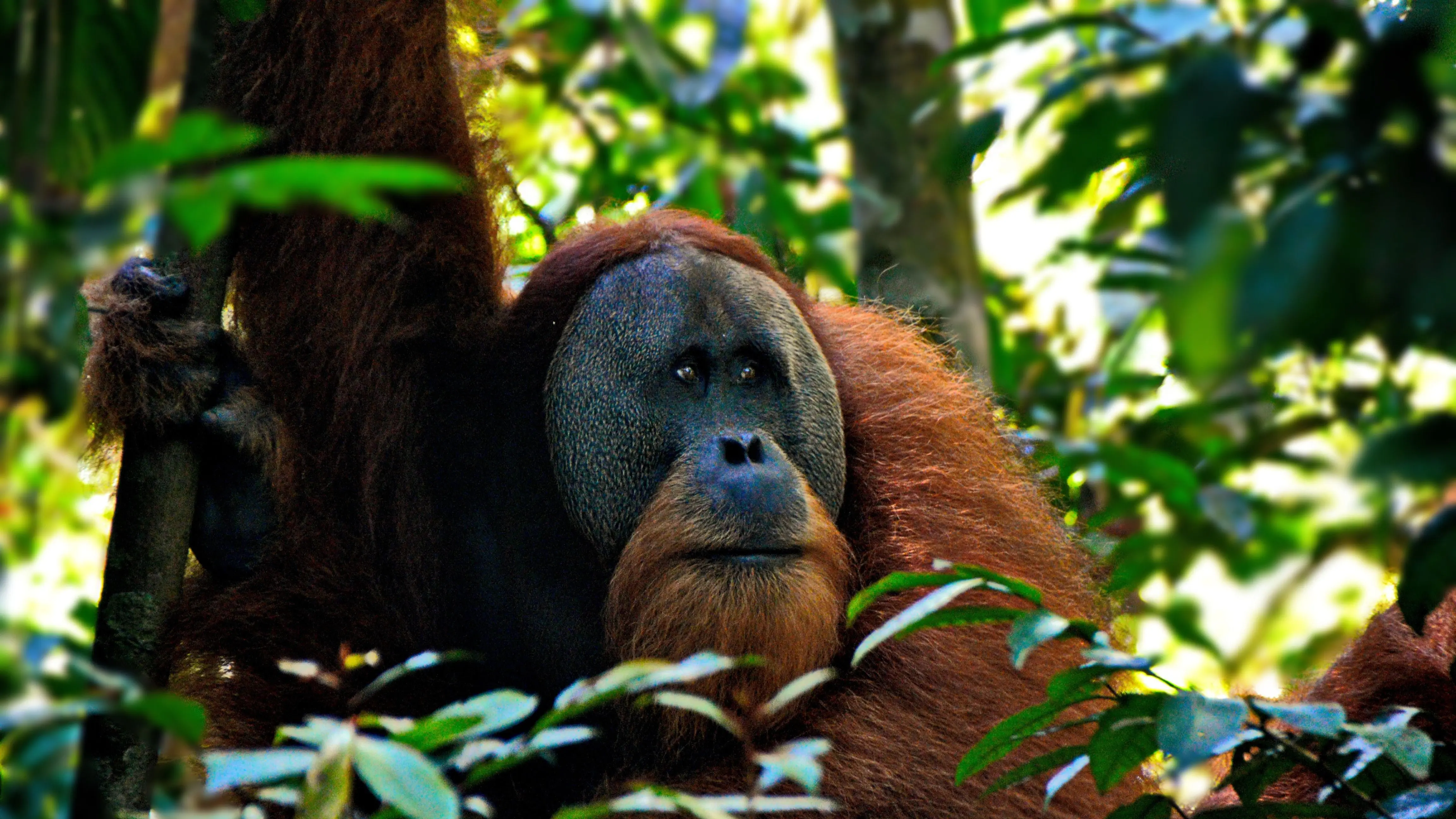
There is a simple truth about trekking in Gunung Leuser National Park: the deeper you go, the less human traffic there has been, and the more the forest behaves like itself. Animals are less cautious. The trails are quieter. The canopy closes in more completely above you. On a three-day trek, you reach places that day-trippers never will.
But this is not just about wildlife counts. Three days in the rainforest means time to slow down and notice things. The way a river crossing feels in the morning compared to the afternoon. What your guide knows about a particular tree, or a particular orangutan who has been living along this stretch of forest for over a decade. The smell of a jungle camp fire at dusk. The sounds that replace the silence when you stop moving.
Each night you sleep further in than the last, at a different camp beside a different river. By the third day, returning to town by tubing feels less like going home and more like surfacing from somewhere that has quietly changed how you see things.
Nights in the jungle
2
Each at a deeper camp
Meals included
6
All cooked fresh in the forest
Return by
River
Tubing back to Bukit Lawang
Day by Day
Three Days in the Forest
Day 1
Enter the Forest
8:00 – 9:00 AM
Meet your guide at the trailhead. Brief introduction to the route, the park, and how to move through the forest. Enter Gunung Leuser National Park.
Morning
Trek into primary rainforest. Your guide reads the environment as you walk — movement in the canopy, calls, broken branches, fruit on the ground. Every detail is information. Rest stops happen naturally, whenever something is worth stopping for.
Midday
Trail lunch in the forest with fresh fruit. A proper rest. The midday break is one of the best times to spot animals moving through the undergrowth while you sit still.
Afternoon
Continue into the forest on trails that see very little foot traffic. River crossings begin to appear as you move deeper into the park. Your guide picks the route based on conditions and wildlife signs that day.
Late Afternoon
Arrive at the first jungle camp beside the river. Set up, wash in the river, rest. Dinner is cooked over fire by your guide and cook. The evening forest comes alive around you as the light fades.
Day 2
Deeper In
Early Morning
Breakfast at camp. Early morning is the most active time in the forest — gibbons call before sunrise, and orangutans start moving through the canopy soon after first light. Your guide leads a morning walk from camp before the day's trek begins.
Morning
Leave the first camp and push further in. The trails today are quieter than yesterday. Animals are less accustomed to human presence at this depth, which means sightings feel more genuine and less predictable.
Midday
Lunch stop in the forest. Your guide shares knowledge about the plants around you — which ones local communities use for medicine, which ones the orangutans favour, which ones you should not touch.
Afternoon
The afternoon route crosses rivers and follows ridgelines deeper into the park. The landscape shifts as you go — the density of the canopy, the sounds, the quality of the light. Every hour looks different.
Late Afternoon
Arrive at the second camp, further in and quieter than the first. Another dinner cooked in the forest, another night where the only sounds are the ones the jungle makes itself.
Day 3
Morning Light and the River Home
Early Morning
Breakfast at camp. The third morning in the forest feels different to the first — you move more quietly, notice more, and your guide talks differently with you, more like a conversation than a briefing.
Morning
Final wildlife walk of the trek. Three days in means your group has found its rhythm. Orangutan sightings on the third day, when you are moving back toward the river, are common.
Midday
Reach the river. Board rubber tubes and begin the float downstream back to Bukit Lawang through jungle that lines both banks of the river. Your guide navigates the current, pointing out birds and plants as you go.
Afternoon
Arrive back in Bukit Lawang. Pay remaining balance in cash to your guide. Three days ago you walked in. Now you drift back out, and the town that seemed ordinary before looks different.
What's Covered
Included and Not Included
✓ Included
HPI-ITGA certified English-speaking guide
Jungle cook and camp crew
Trail lunches with fresh fruit (Days 1 and 2)
Campsite dinners (Nights 1 and 2)
Campsite breakfasts (Days 2 and 3)
Two nights jungle campsite accommodation
Drinking water at all campsites
River tubing return to Bukit Lawang
✗ Not Included
National Park entrance fee — IDR 200,000/person (approx. €9.92)
Hotel accommodation in Bukit Lawang
Transport to/from Medan (available on request)
Personal travel insurance
Gratuities (appreciated, never required)
Questions
FAQ
A reasonable level of fitness helps. Three days covers more ground than shorter treks, but the pace stays relaxed and your guide adjusts it throughout. Most people end each day tired in a good way — not exhausted. If you can walk for several hours with rest stops, you can do this trek.
Each night is at a different jungle campsite, always beside a river and always further in than the night before. Bedding and shelter are provided by your guide and camp crew. The camps are simple and functional — you are in the middle of the rainforest.
Generally yes. The further into the park you go, the less accustomed the wildlife is to people. Orangutan sightings are consistently common, and the deeper trails also bring more chances of encountering gibbons, Thomas leaf monkeys, and a wider variety of birds and forest life.
Sturdy non-slip shoes, clothes for three days in the jungle (quick-dry fabrics are helpful), a light layer for the evenings, insect repellent, swimwear for river crossings and the tubing return, a headtorch, any personal medication, and cash for the park entrance fee (IDR 200,000 per person). Keep your pack as light as possible — your guide and crew carry all the camp equipment and food.
Yes. All our treks return by river tubing downstream back to Bukit Lawang on the final day.